
Victor Negrescu warns that Romanian agriculture is facing a possible crisis
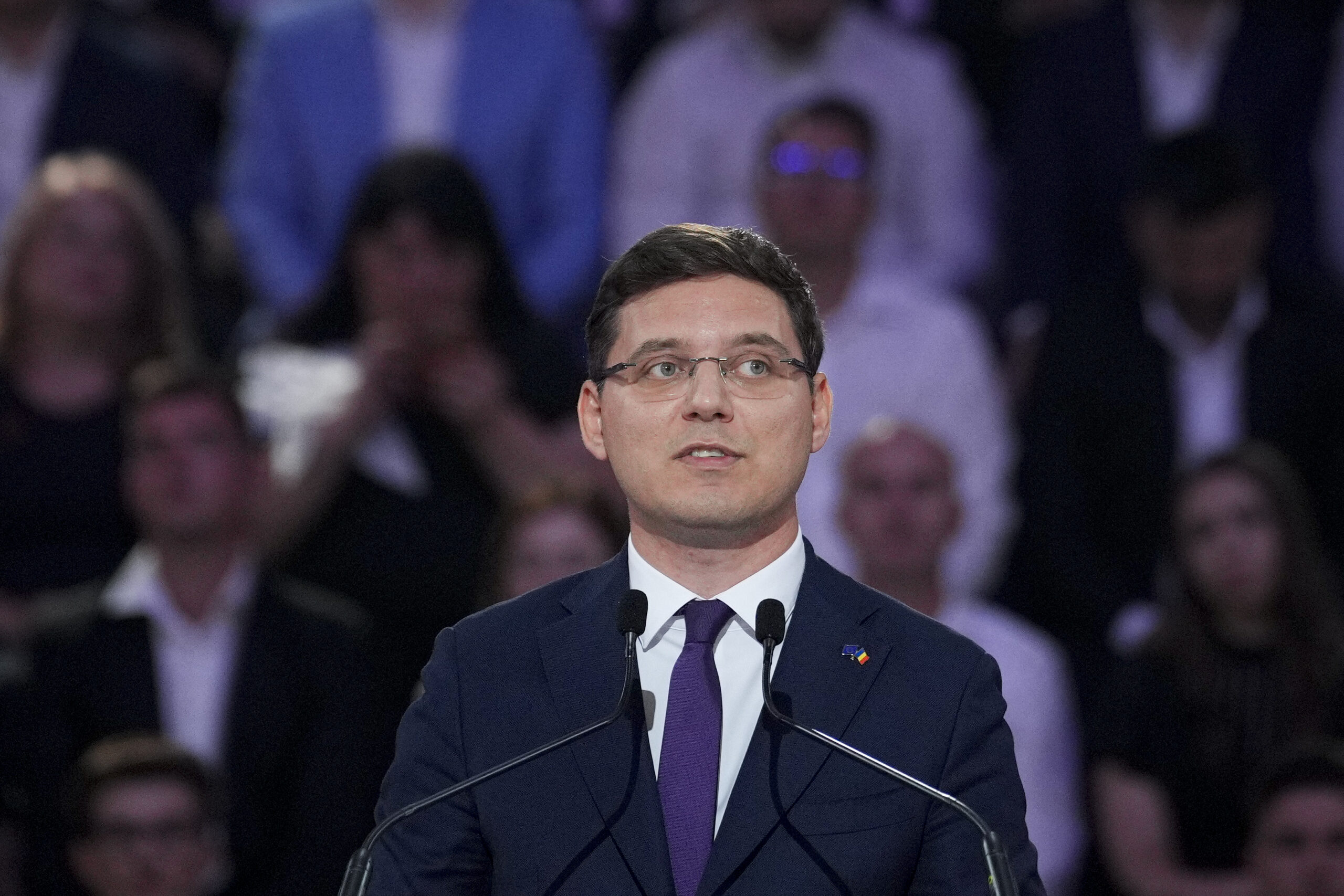
„Today we must sound a serious alarm regarding the situation that Romanian agriculture is going through today. And let us realize that, although obviously there are many of us who understand the importance of this sector, let us realize that today we are facing a possible crisis, which could transform Romania from a leader in this agricultural area, into a country that risks gaining more difficulties, into a country that risks gaining more difficulties. the new global context Economic, agricultural and trade opportunities and risks”. organized by Economedia and G4Food.
He emphasized that the sector is affected by a series of pressures, from new trade treaties to rising fuel prices.
„The problem we are not facing is that we do not have to adapt to all these new requirements, to be able to understand global mechanisms and to be together in time to better anticipate new trends and to be able to increase productivity, competitiveness, to create products, to develop the chain, to use the values of European funds”, he explained.
Negrescu also drew attention to the structural vulnerabilities of the sector, pointing out that agriculture accounts for about 5% of GDP, but involves approximately 25% of the population, which indicates productivity problems.
„If we do not look strictly at these figures, we note that there is a problem in terms of productivity”, the official said.
Negrescu also referred to the Mercosur agreement, pointing out that the reaction of the agri-food sector highlights the vulnerabilities of the market.
“We see, for example, the reaction of the agri-food sector to the discussion on Mercosur and actually how volatile the market is and the fact that we are not, for example, prepared for such situations,” he said.
Negrescu warned that such trade agreements will become more frequent, and standards may be affected.
“The trend at European level is for Europe to sign more and more trade agreements. The agricultural dimension is included there. Automatically, unfortunately I say it, European decision-makers accept the lowering of standards when we talk about these trade agreements,” Negrescu said.